Chemical Insights & B2B Buying Guides
Practical chemical sourcing, application and procurement guidance for international B2B buyers.
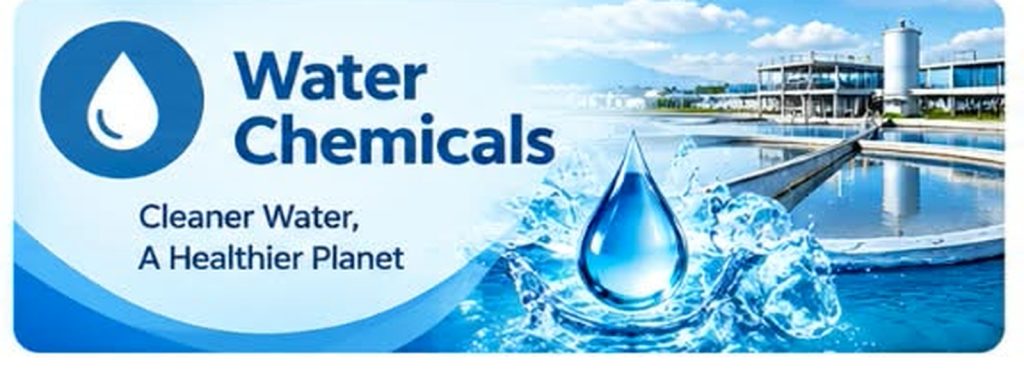
Six Core Chemicals for Water Treatment Plants: Building a Bulk Procurement List
Water Treatment buyers need a planned mix of chemicals selected for the treatment objective, source-water conditions and operating controls. Anflo Inter Chemical Products Trading…
Read guide
Choosing Chemicals for Renewable-Energy Applications: A Buyer Framework
Chemical selection for renewable-energy manufacturing should follow the process specification and contamination requirements rather than generic industry labels. Anflo Inter Chemical Products Trading uses…
Read guide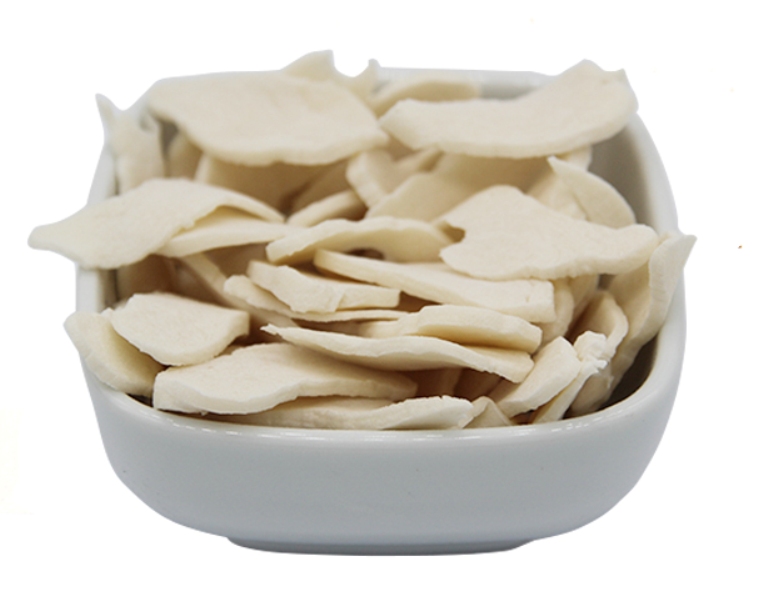
Chloroprene Rubber: How to Build a Resilient Supply Strategy
A resilient elastomer supply strategy combines specification control, approved alternatives, inventory planning and transparent logistics. Anflo Inter Chemical Products Trading uses a specification-first approach…
Read guideFerrous Sulfate for Bulk Buyers: Grade, Packaging and Logistics
Bulk ferrous sulfate purchasing should define the grade, physical form, quantity, packing and destination before price is compared. Anflo Inter Chemical Products Trading uses…
Read guideBiocides in Industrial Applications: A Buyer’s Guide to Specification
Biocides are used to control unwanted microorganisms, but the appropriate product depends on the application, target organisms and regulatory context. Anflo Inter Chemical Products…
Read guide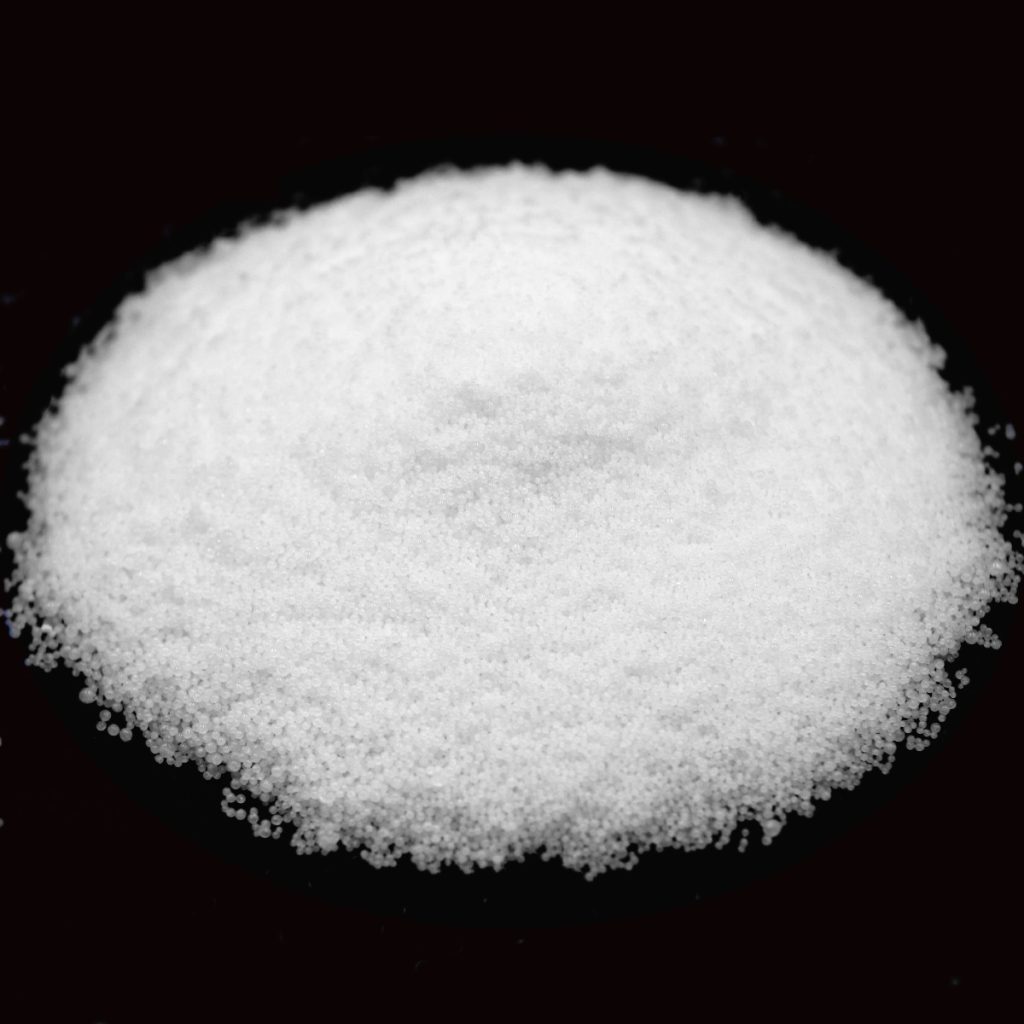
Caustic Soda Procurement: How to Compare International Offers
International caustic soda offers can differ in form, concentration, packaging, Incoterms and freight basis. Comparing like-for-like terms is essential. Anflo Inter Chemical Products Trading…
Read guide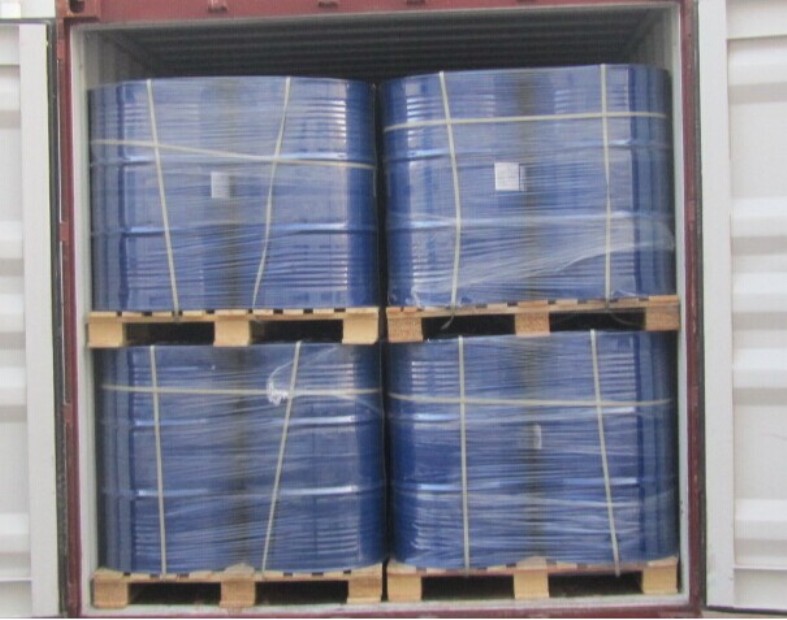
TIPA 85% for Cement: A Procurement and Specification Guide
Triisopropanolamine is used as a cement additive and grinding-aid component. Buyers should confirm grade, concentration, packaging and intended process use. Anflo Inter Chemical Products…
Read guideChloroprene Rubber Supply: What Procurement Teams Need to Know
Chloroprene rubber procurement depends on polymer grade, performance requirements, packaging and supply continuity. Anflo Inter Chemical Products Trading uses a specification-first approach for international…
Read guideFerrous Sulfate Buying Guide for Industrial and Water Applications
Ferrous sulfate is used in several applications, including water treatment and industrial processes. The required grade and form depend on the use. Anflo Inter…
Read guideRenewable-Energy Manufacturing: Where Chemicals Enter the Supply Chain
Renewable-energy manufacturing uses chemicals and materials at multiple stages. Buyers should focus on the exact manufacturing step and required material specification. Anflo Inter Chemical…
Read guide
Mining Chemical Supplier Verification: Documents and Questions to Ask
Before a bulk mining-chemical order, buyers should verify the legal supplier identity, product documentation, packaging details and destination compliance. Anflo Inter Chemical Products Trading…
Read guideChemical Distributor vs Direct Supplier: What B2B Buyers Should Compare
The best sourcing route depends on the product, volume, market and required service. Buyers should compare technical support, supply continuity and commercial transparency. Anflo…
Read guideExplore our chemicals and supply information
Start from the home page, full chemical catalogue or go straight to a range: Additives, Dairy Ingredients, Fertilizers, Industrial Chemicals, Mining Chemicals, Plant Based Ingredients, Refrigerant Gases, Special Use Chemicals, Water Treatment Chemicals. You can also read our global supply, sourcing and procurement, quality control, logistics and shipping, request a quote, FAQ, about us, contact us pages.
Chemical prices on this site are reference prices in US dollars per metric ton (MT), and refrigerant gases are priced per cylinder. Final prices, packaging and Incoterms are confirmed in each quotation. If you want to check the rules behind a shipment, the ECHA chemicals database, the UNECE dangerous goods recommendations, the OSHA hazard communication standard, the World Customs Organization nomenclature and the ICC Incoterms rules are good places to start.