Chemical Insights & B2B Buying Guides
Practical chemical sourcing, application and procurement guidance for international B2B buyers.
Water Treatment Chemical Selection: Coagulation, Disinfection and pH Control
Different treatment objectives call for different chemical functions. Procurement starts by defining whether the requirement is coagulation, disinfection, pH adjustment or another process need.…
Read guide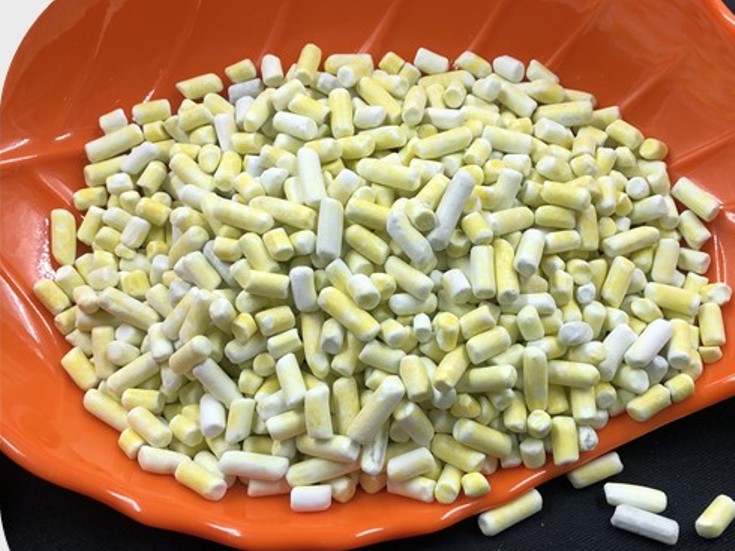
How to Choose Chemicals for Mineral Processing Operations
Mineral-processing chemistry is process dependent. Buyers should link reagent selection to mineralogy, circuit conditions and performance objectives. Anflo Inter Chemical Products Trading uses a…
Read guideWater Treatment Chemicals for Sale: How to Compare Offers
Comparing water-treatment chemical offers requires more than comparing unit price. Buyers should compare concentration, active content, packing, delivery basis and documentation. Anflo Inter Chemical…
Read guide
Mining Chemicals for Sale: Building a Process-Led Buying Brief
A mining-chemical buying brief should describe the process stage, mineral system, required product and commercial quantity. Anflo Inter Chemical Products Trading uses a specification-first…
Read guide
Industrial Chemicals for Sale: What B2B Buyers Should Verify
A professional chemical buying decision checks what is actually being offered: chemical identity, grade, unit, packing, documentation and delivery basis. Anflo Inter Chemical Products…
Read guide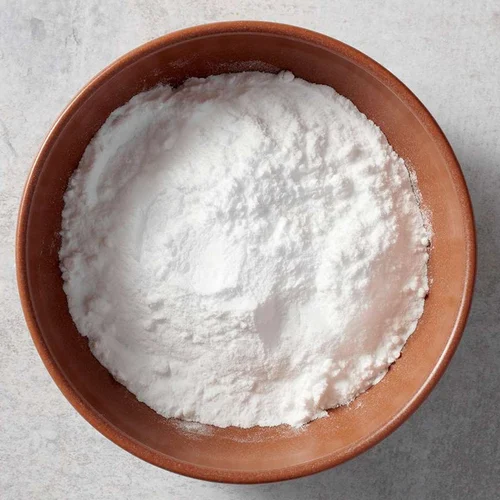
Sodium Carbonate Supplier Evaluation for Bulk Orders
Supplier evaluation should compare product specification, quality documentation, packing, commercial terms and delivery capability. Anflo Inter Chemical Products Trading uses a specification-first approach for…
Read guideSodium Carbonate Uses Across Glass, Detergents and Water Treatment
Sodium carbonate is a widely used alkaline material. Its commercial value comes from its ability to support different industrial processes when the correct grade…
Read guideAustralian Water Treatment Procurement: Lessons for International Buyers
The same procurement principles used by water-treatment operators in Australia can help international buyers: define the water problem, verify the chemical, and confirm logistics.…
Read guideMining Chemicals: How to Build a Reliable Bulk Supply Plan
A reliable mining-chemical plan connects consumption, stock coverage, lead time, packaging and shipping into one procurement schedule. Anflo Inter Chemical Products Trading uses a…
Read guideImporting Industrial Chemicals: A Practical Buyer Checklist
International chemical procurement crosses technical, commercial and regulatory steps. A structured checklist helps buyers avoid preventable delays. Anflo Inter Chemical Products Trading uses a…
Read guideHow to Evaluate Mining Reagent Suppliers Before a Bulk Order
Mining-reagent sourcing requires more than a supplier name. Buyers should verify product identity, documentation, sample or trial arrangements, packaging and logistics capability. Anflo Inter…
Read guideXanthates in Mineral Processing: How Buyers Compare Reagent Options
Xanthates are flotation collectors whose selection depends on the mineral system, circuit conditions and desired selectivity. Procurement should support process-specific evaluation. Anflo Inter Chemical…
Read guideExplore our chemicals and supply information
Start from the home page, full chemical catalogue or go straight to a range: Additives, Dairy Ingredients, Fertilizers, Industrial Chemicals, Mining Chemicals, Plant Based Ingredients, Refrigerant Gases, Special Use Chemicals, Water Treatment Chemicals. You can also read our global supply, sourcing and procurement, quality control, logistics and shipping, request a quote, FAQ, about us, contact us pages.
Chemical prices on this site are reference prices in US dollars per metric ton (MT), and refrigerant gases are priced per cylinder. Final prices, packaging and Incoterms are confirmed in each quotation. If you want to check the rules behind a shipment, the ECHA chemicals database, the UNECE dangerous goods recommendations, the OSHA hazard communication standard, the World Customs Organization nomenclature and the ICC Incoterms rules are good places to start.