ProductPackagingApplication
Sodium Metasilicate Anhydrous
CAS 6834-92-0Industrial Chemicals
Reference pricePrice on request / MT
Minimum orderPer quotation
SupplyWorldwide
| Product name | Sodium Metasilicate Anhydrous |
|---|---|
| Category | Industrial Chemicals |
| CAS number | 6834-92-0 |
| Origin | Confirmed per shipment |
| Place of supply | Worldwide |
Product overview
SPECIFICATION
| Chemical Name | Sodium Metasilicate Anhydrous |
| Molecular Formula | Na2SiO3 |
| CAS Number | 6834-92-0 |
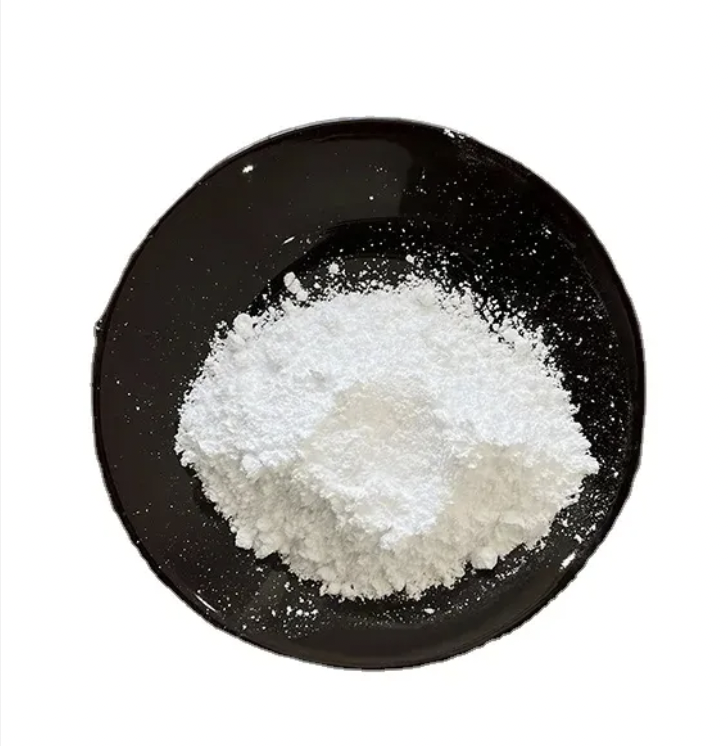
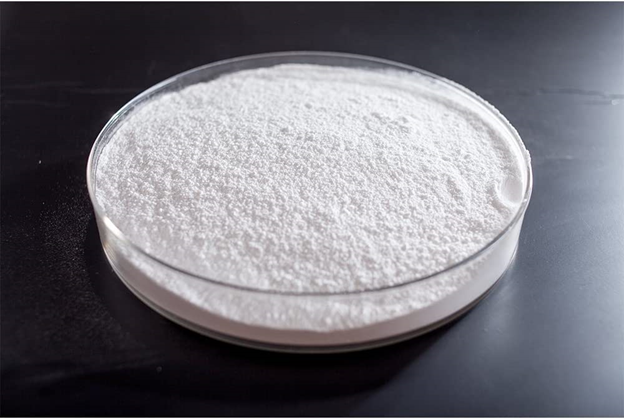
| Appearance | White Powder |
| Odor | Odorless |
| Solubility | Soluble in water |
| Melting Point | 1088°C (1986°F) |
| Boiling Point | Decomposes above melting point |
| Density | 2.61 g/cm3 |
| pH | 12.5-13.5 (1% solution) |
| Sodium oxide (Na2O) include in Na2SiO3 | 60 to 70% |
| Silicon dioxide (SiO2) include in Na2SiO3 | 30 to 40% |
Product Overview
Sodium Metasilicate Anhydrous is an inorganic substance, a stable chemical made of silicon, sodium and oxygen. This chemical is made with the melting of silica sand or quartz with sodium carbonate at high temperature to create glassy substances which are grind further into fine powder.
Sodium Metasilicate Anhydrous must be kept in dry, cool and well ventilated places as it can react with acids and oxidizing substances etc., to produce heat and fumes. Sodium Metasilicate Anhydrous is mostly used as a builder, surfactant and corrosion inhibitor in various industrial applications.
Sodium Metasilicate Anhydrous is used in a wide range of industrial chemicals such as detergent and in the cleaning industry as a cleaning agent and builder in laundry and dishwashing detergents. This chemical is also used in the construction industry to improve the strength and durability of cement and concrete compositions.
Sodium Metasilicate Anhydrous is also used as a dispersion and sizing agent in the paper and pulp industry which is very common. In the water treatment facilities, it serves as a corrosion inhibitor and a scale inhibitor. This chemical is used in the metal processing industry as a degreasing and cleaning Agent as well.
While handling Sodium Metasilicate Anhydrous, must wear protective gear including gloves, safety goggles, and a dust mask, it is advised to keep these things in mind. When this chemical is contacted with skin, eyes or any sensitive part of the human body, immediately flush it with water for at least 15 minutes and seek medical help right away at that time.
Specifications
| Product name | Sodium Metasilicate Anhydrous |
|---|---|
| Category | Industrial Chemicals |
| CAS number | 6834-92-0 |
| Origin | Confirmed per shipment |
| Place of supply | Worldwide |
Typical values for identification. The exact specification, certificate of analysis and safety data sheet are confirmed for each shipment.
Packaging and delivery
| Packaging | Confirmed in the quotation |
|---|---|
| Storage | |
| Delivery | Worldwide, by sea, road or rail, with shipping terms agreed in the quotation |
| Documents | Commercial invoice, packing list and bill of lading; SDS, COA and TDS on request |
Frequently asked questions
How do I get a price for Sodium Metasilicate Anhydrous?
Use the Contact Supplier button and send your quantity, packaging preference and destination. Our sales team replies with a written quotation.
Can you ship Sodium Metasilicate Anhydrous to my country?
We supply to buyers worldwide. Shipping depends on the product classification and the import rules of the destination, which we check with you before quoting.
Which documents are available?
A commercial invoice, packing list and bill of lading come with every shipment. A safety data sheet, certificate of analysis and technical data sheet are available on request.
Can the packaging be customised?
Packaging options are listed on this page. Tell us if you need a different pack size or labelling and we will confirm what is possible.
Reference data and related pages
Browse more in Industrial Chemicals, or compare Sodium Metasilicate Anhydrous with Calcium Carbonate 99%, Calcium Chloride 74% Flakes and Calcium Chloride 94%. The full chemical catalogue lists every product we supply. Our global supply page shows where we ship, while the quality control and sourcing and procurement pages explain how an order is checked before it leaves. Delivery is covered under logistics and shipping, common questions are on the FAQ, and you can request a quote whenever you are ready.
Also browse related categories: Additives, Dairy Ingredients, Fertilizers, Mining Chemicals, Plant Based Ingredients, Refrigerant Gases.
For independent reference, see the PubChem record and the Wikipedia overview. Registration and hazard information is searchable in the ECHA chemicals database. Exposure limits are summarised in the NIOSH Pocket Guide, and transport classes follow the UNECE dangerous goods recommendations.
Related chemicals
Sulphonic Acid 96% (Labsa 96%)
USD 1,485.00 / MT
Industrial Chemicals | CAS 85536-14-7
96% active matter
96% active matter